
Trigger finger can turn simple tasks like buttoning a shirt or holding a cup into a daily struggle. The good news is that effective care is available, from gentle home remedies to advanced medical options. If you are ready to explore expert-led trigger finger treatment, it helps to first understand what is happening inside your finger.
This guide walks you through causes, symptoms, non-surgical and surgical choices, and recovery. You will see where home care fits in and when it is wise to visit a specialist. By the end, you will be able to discuss your options with confidence and choose a path that suits your lifestyle.
Understanding Trigger Finger (Stenosing Tenosynovitis)
Trigger finger, also called stenosing tenosynovitis, happens when the tendon that bends your finger becomes irritated. This tendon runs through a narrow tunnel called a tendon sheath. When the lining of this sheath swells, the tendon cannot glide smoothly.
The result is finger locking or “catching” when you try to bend or straighten. Sometimes you may even feel a small bump at the base of the finger, where the tendon is thickened.
Common Signs and Symptoms
Early signs are usually mild but easy to spot if you pay attention. You may feel stiffness in the morning, or your finger may click when you move it. There can be mild tenderness in the palm, especially when you press at the base of the affected finger or thumb.
As the condition progresses, the finger may lock in a bent position and then suddenly release with a snap. In more serious cases, you might need to use your other hand to straighten the finger. Pain can increase, especially with gripping or repeated tasks.
Why Does Trigger Finger Happen?
Trigger finger often develops after long periods of repetitive gripping or finger movement. People who work on computers, use tools, play musical instruments, or lift weights frequently are more prone to it.
Certain health conditions also raise the risk. These include diabetes, rheumatoid arthritis, and other causes of tendon sheath inflammation. Age matters too, with many patients between 40 and 65 years old.
Non-Surgical Trigger Finger Treatment Options
Many people start with simple, non-surgical measures. These approaches aim to calm inflammation and reduce friction around the tendon. They are often very effective, especially when symptoms are still in the early stage.
1. Rest, Ice, and Activity Changes
The first step is to give your finger a break from the actions that cause pain. Try to reduce tight gripping, heavy lifting, or long typing sessions. Short, frequent breaks can help your tendon recover.
Applying ice wrapped in a thin cloth for 10 to 15 minutes a few times a day can reduce swelling. Always protect the skin and avoid placing ice directly on it.
2. Using a Trigger Finger Splint
A trigger finger splint keeps the finger slightly straight, especially at night. This prevents constant bending that can irritate the tendon. Many patients notice less stiffness and fewer locking episodes in the morning after using a splint regularly.
Your doctor or therapist may suggest wearing the splint for several weeks. It is important to follow the schedule given so the tendon has enough time to settle.
3. Medicines for Pain and Swelling
Non-prescription pain relievers, such as common anti-inflammatory tablets or gels, may ease discomfort. These work by reducing the inflammation around the tendon sheath. Always use them as directed and talk to your doctor if you have other health conditions.
Sometimes, simple pain relief is enough to keep you comfortable while lifestyle changes and splinting do their work in the background.
4. Corticosteroid (Cortisone) Injections
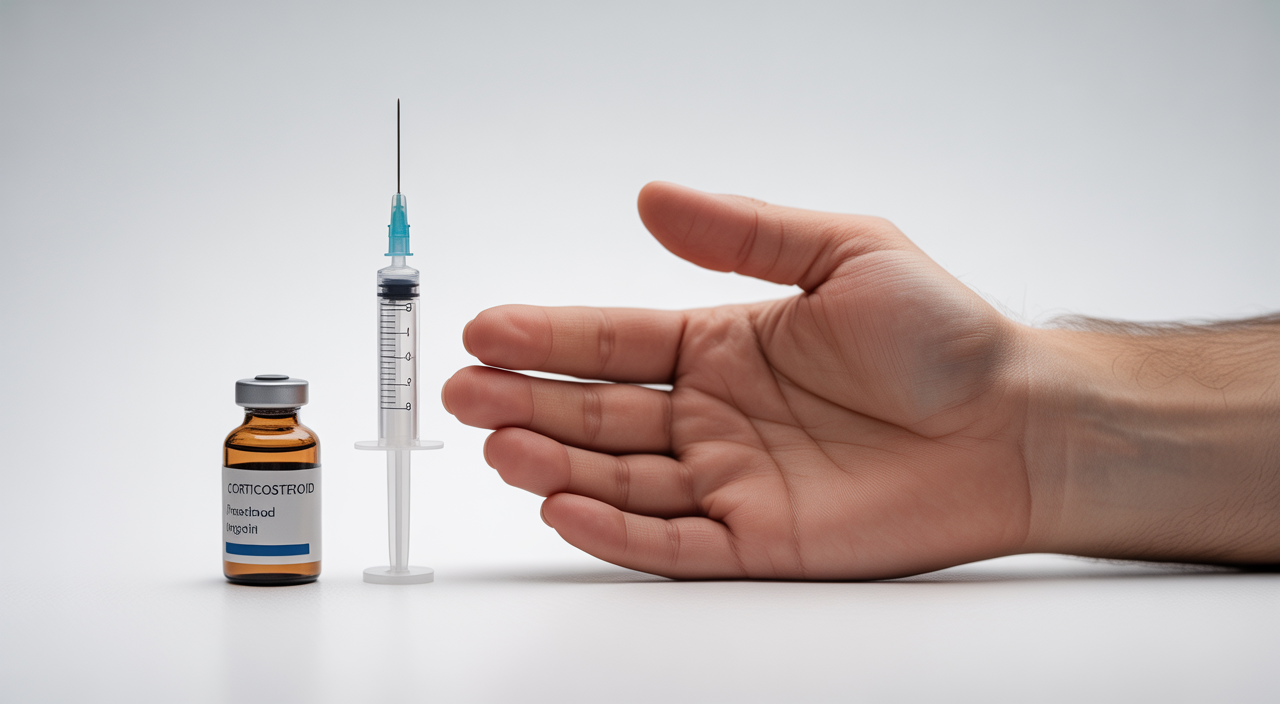
When rest and splints are not enough, many specialists suggest a corticosteroid injection. This injection delivers strong anti-inflammatory medicine directly into the tendon sheath. It can quickly reduce swelling and allow the tendon to glide smoothly again.
Relief can be felt within a few days, with maximum benefit in about 2 to 3 weeks. Some people need only one injection, while others may require a second. Your doctor will guide you on how many are safe for your situation.
5. Physical Therapy and Home Exercises
Hand therapy is a powerful part of treatment for trigger finger. A therapist can teach you gentle stretching and strengthening exercises. These movements keep the tendon flexible and improve blood flow for healing.
Simple exercises may include:
- Slowly straightening and bending the finger within pain-free range
- Using a soft ball or sponge to perform light squeezes
- Finger spreads on a flat table, then relaxed returns
Doing these regularly, for just a few minutes a day, can support recovery and help prevent the problem from returning.
When Is Surgery the Right Choice?
Surgery is usually suggested if symptoms are severe or long-lasting, or if non-surgical options have not worked. The goal of surgery is very focused: to release the tight part of the tendon sheath so the tendon can move freely.
There are two common approaches:
- Percutaneous release: A needle is used to carefully release the tight tissue through a small puncture in the skin.
- Open surgical release: A small cut is made in the palm, and the surgeon directly opens the narrow part of the sheath.
Both methods are usually quick, and many patients go home the same day. Your specialist will choose the best option based on which finger is affected, how severe it is, and your overall health.
Recovery and Rehabilitation After Surgery
Most people start moving their finger gently on the same day or the next day after surgery. Early movement helps prevent stiffness and encourages smooth tendon gliding. Mild soreness is common at first but typically improves over a few days.
Full recovery time varies, but many patients return to light daily tasks within 1 to 2 weeks. Heavier activities and sports may take 4 to 6 weeks. A structured plan, similar to a recovery checklist, helps you track progress and stay positive.
Costs, Insurance, and Planning Your Care
The cost of treatment for trigger finger depends on the method used. Splints and medicines are usually the most affordable. Cortisone injections and surgery cost more, but they can provide stronger and longer-lasting relief.
Health plans often cover medically necessary procedures, but specific rules can vary. Before starting care, it is wise to check with your insurance provider and the clinic. You can get a sense of how medical services are structured by reading guides such as this one on choosing the right medical care model.
Preventing Trigger Finger From Returning
Once your symptoms improve, prevention becomes important. Try to:
- Take regular breaks during tasks that involve gripping or typing
- Use ergonomic tools with larger handles
- Stretch your fingers and wrists before and after long work sessions
Staying active, managing blood sugar if you have diabetes, and keeping joints flexible goes a long way. For broader health planning tips, you might enjoy resources like a detailed guide to building a wellness routine.
FAQs About Trigger Finger Treatment
Q1. Can I treat trigger finger at home without seeing a doctor?
In early stages, rest, ice, gentle stretching, and a simple splint can help a lot. If pain, locking, or stiffness continues for more than a few weeks, or if your finger gets stuck often, it is best to see a specialist. Early medical advice can prevent the problem from becoming more severe.
Q2. How long does it take to recover after a steroid injection or surgery?
After a steroid injection, some people feel better within a few days, with full benefit in 2 to 3 weeks. After surgery, light activities often resume in 1 to 2 weeks, while complete strength and comfort may take about 4 to 6 weeks. Your exact timeline depends on your health, work demands, and how closely you follow exercise and care instructions.
Q3. Is trigger finger treatment safe for older adults or people with diabetes?
Yes, but the plan may need to be adjusted. Non-surgical options are often tried first. Injections and surgery can also be safe with proper monitoring. Your doctor will review your medical history, medicines, and healing capacity before recommending the best approach.
Q4. Will trigger finger come back after treatment?
Many patients enjoy long-lasting relief, especially after successful injections or surgery. Still, if repetitive strain continues, symptoms can reappear, either in the same finger or another. Following prevention tips, staying active, and addressing discomfort early gives you the best chance of staying symptom free.