
Curious about using your credit card directly on UPI instead of carrying plastic everywhere? That is exactly what a UPI Credit Card lets you do. It connects the power of a traditional credit card with the speed and comfort of UPI payments on your favourite apps.
This guide walks you through what it is, how it works in simple terms, its benefits, charges, and smart tips to get the most value from it as an Indian user. By the end, you will know whether this new-age card fits your lifestyle and spending habits.
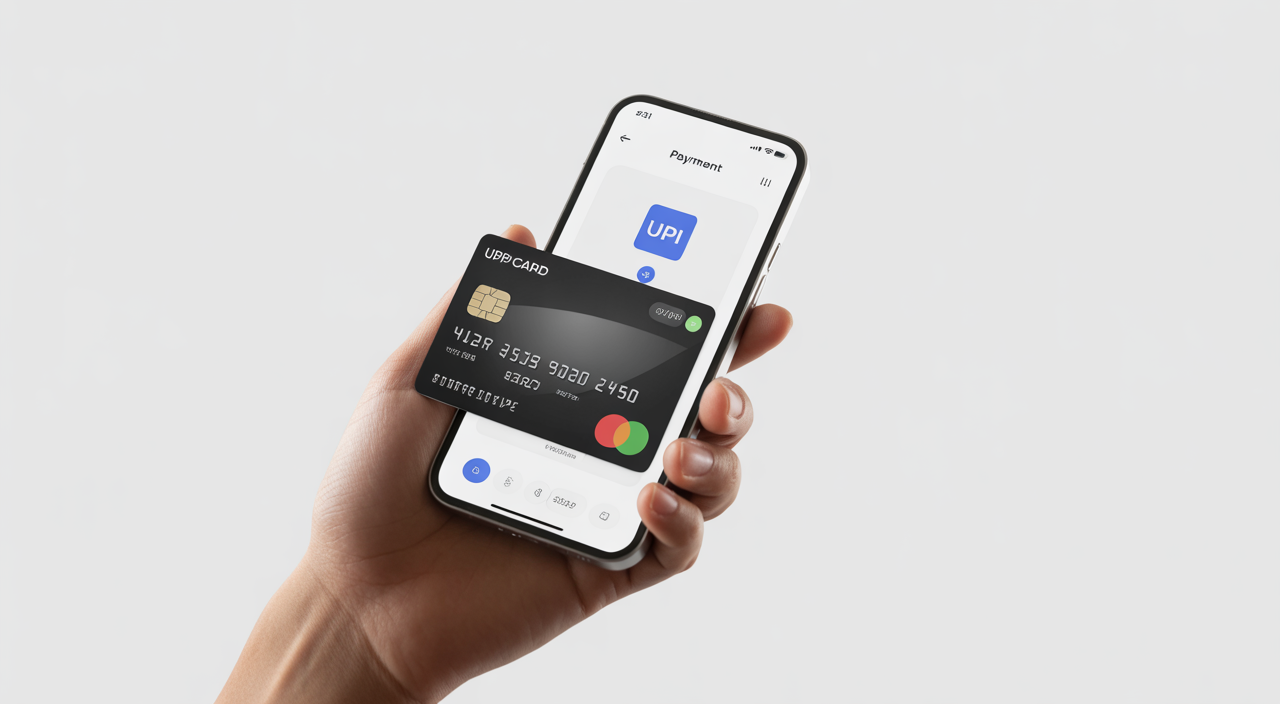
What Exactly Is a UPI Credit Card?
A UPI-enabled credit card is a normal credit card that you can link to a UPI app. Instead of linking your bank account or debit card, you link your credit limit to UPI.
When you pay at a shop or send money using UPI, the amount is charged to your credit card, not directly to your bank account. You then clear this amount later when your credit card bill is due.
How it differs from other options:
- UPI with bank account: Money goes out instantly from your savings account.
- Normal credit card: You tap, swipe, or use card details for online payments.
- UPI Credit Card: You pay via UPI apps, but the source is your credit card limit.
How Does a UPI Credit Card Work in Daily Life?
The flow is simple and quick:
- You get a UPI-supported credit card from an issuer.
- You open a supported UPI app and choose “Add credit card / UPI credit.”
- You verify with OTP and set or confirm your UPI PIN.
- Next time you scan a QR or pay a contact, you select the UPI-linked credit card as the payment option.
- The payment goes through instantly, and the amount adds to your monthly credit card bill.
Most leading UPI apps follow a similar process: choose “Add payment method,” select “credit card on UPI,” enter card details, verify with OTP, and you are ready.
Why Are UPI Credit Cards Becoming Popular?
For young professionals and freelancers in India, this product offers the best of both worlds: UPI convenience and credit card rewards. Here are some big advantages you can enjoy.
- Contactless payments everywhere: Scan any UPI QR at local stores, cabs, salons, or street vendors using your credit limit.
- Better cash-flow management: Spend today and repay by the due date, often with an interest-free grace period if you pay the full bill.
- Reward points and cashback: Many issuers offer points or cashback on UPI-based credit card spending, just like they do on regular swipes.
- No need to carry the card: Your card “lives” inside the UPI app, reducing the risk of losing the physical card while still letting you spend.
For investors and side-hustlers, this can be helpful for managing monthly expenses while keeping more cash parked in savings or short-term investments until the bill date.
Who Should Consider Getting a UPI Credit Card?
This type of card suits people who:
- Frequently use UPI for everyday payments.
- Prefer minimal cash usage and like clean digital expense records.
- Have a stable income and are disciplined about paying credit card bills on time.
- Want to maximise rewards from categories like groceries, fuel, food delivery, or online shopping.
If you already compare financial products in detail, you may also like reading about how to buy unlisted shares online in India as another way to make your money work harder.
Eligibility & Application Basics
Eligibility rules change from issuer to issuer, but in general you will need:
- Age above 21 (sometimes 18) and below around 60–65.
- Regular income from salary or business.
- Basic KYC documents like PAN, Aadhaar, address proof, and income proof.
- A reasonable credit score if you already use loans or cards.
The application process is usually online: fill a form, upload documents, complete video KYC if needed, and wait for approval. Once your card is issued, you can link it to UPI within a few minutes and start using it for digital payments across India.
Typical Fees and Charges to Check
Before you hit “Apply,” take a close look at these points:
- Joining and annual fee: Some cards are free, while others charge an annual fee that may be waived if you spend a minimum amount each year.
- Interest rate: If you do not pay your full bill by the due date, interest will apply on the remaining amount, just like any other credit card.
- Late payment fee: Charged if you miss the due date completely.
- UPI transaction charges: Most UPI transactions for retail users are free today, but read the card’s terms for any special cases.
Understanding charges clearly is as important as checking fees before other financial decisions, just like you would when exploring compliance requirements for imports in India.
Smart Tips to Maximise Benefits
Used wisely, a UPI Credit Card can give you strong control over your money and good rewards. Some practical tips:
- Use it for regular, planned expenses: Groceries, fuel, subscriptions, and utility bills are ideal. Avoid using it for impulse purchases you cannot repay soon.
- Pay your bill in full every month: This way you enjoy interest-free days and keep your credit score healthy.
- Track rewards and offers: Many issuers give extra cashback on certain categories, days, or partner merchants. Keep an eye on app notifications and statements.
- Keep UPI and card PINs safe: Never share OTPs or PINs with anyone, and use screen lock and app lock on your phone.
Security & Fraud Protection
UPI payments in India use strong security layers such as device binding, encryption, and a UPI PIN for authorising every transaction. When a credit card is linked to UPI, you still enter your UPI PIN to confirm each payment.
If your phone is lost, you can block your card and deactivate UPI from your bank or card issuer’s customer support. It is also wise to enable SMS and app alerts for every transaction so you catch anything unusual quickly.
FAQs About UPI Credit Cards
1. Is a UPI Credit Card safer than carrying a physical card?
It can be safer because you are not swiping or handing over your card at shops. Your card details are stored securely in the UPI system, and every transaction needs your UPI PIN. If your phone is locked and you have alerts turned on, you can react fast in case of any issue.
2. Will a UPI Credit Card work on all UPI apps?
It will work on UPI apps that support credit cards on UPI for that particular network and issuer. This support is growing quickly. When you open your UPI app and go to “Add payment method,” you will see if it allows adding a credit card. If yes, you can link it and start using it within minutes.
3. Can I convert UPI Credit Card spends into EMIs?
In many cases, yes. Since the spend is on your credit card, you may get an option in your card app or statement to convert larger UPI transactions into EMIs, subject to the issuer’s rules and minimum amount conditions. Check your card’s terms or app to confirm.
4. Does using a UPI Credit Card help my credit score?
It can support a healthy credit score if you use it wisely. Pay on time, keep your utilisation ratio (used limit vs total limit) sensible, and avoid frequent late payments. Consistent, responsible usage sends a positive signal to credit bureaus.


