
If your wastewater lagoon is losing capacity or showing sludge build-up, you are probably thinking about a wastewater dredge. Choosing the right system can feel complex, but a clear process makes it simple. In this guide, you will see how these dredges work, what to compare, and how to plan a project that delivers strong returns.
A modern wastewater dredge lets you remove lagoon sludge while the plant stays online. That means less disruption, better compliance, and more predictable budgets. When you know the key specs and cost drivers, it becomes easier to select equipment that suits your site conditions.
This article is written in simple language, but it covers the real details plant managers, engineers, and contractors care about. You can use it as a checklist when you speak with vendors or while reviewing quotes.
1. What Is Wastewater Dredging?
Wastewater dredging is the process of removing accumulated sludge from lagoons, settling ponds, or treatment basins. Over time, solids settle at the bottom and reduce working volume. Dredging restores that lost capacity and improves flow and performance.
Most lagoon projects today use hydraulic dredging. This means a floating machine pumps a mixture of water and sludge (called slurry) through a hose to a dewatering area. There is no need to drain the lagoon or stop operations in many cases.
2. How a Hydraulic Dredge Works
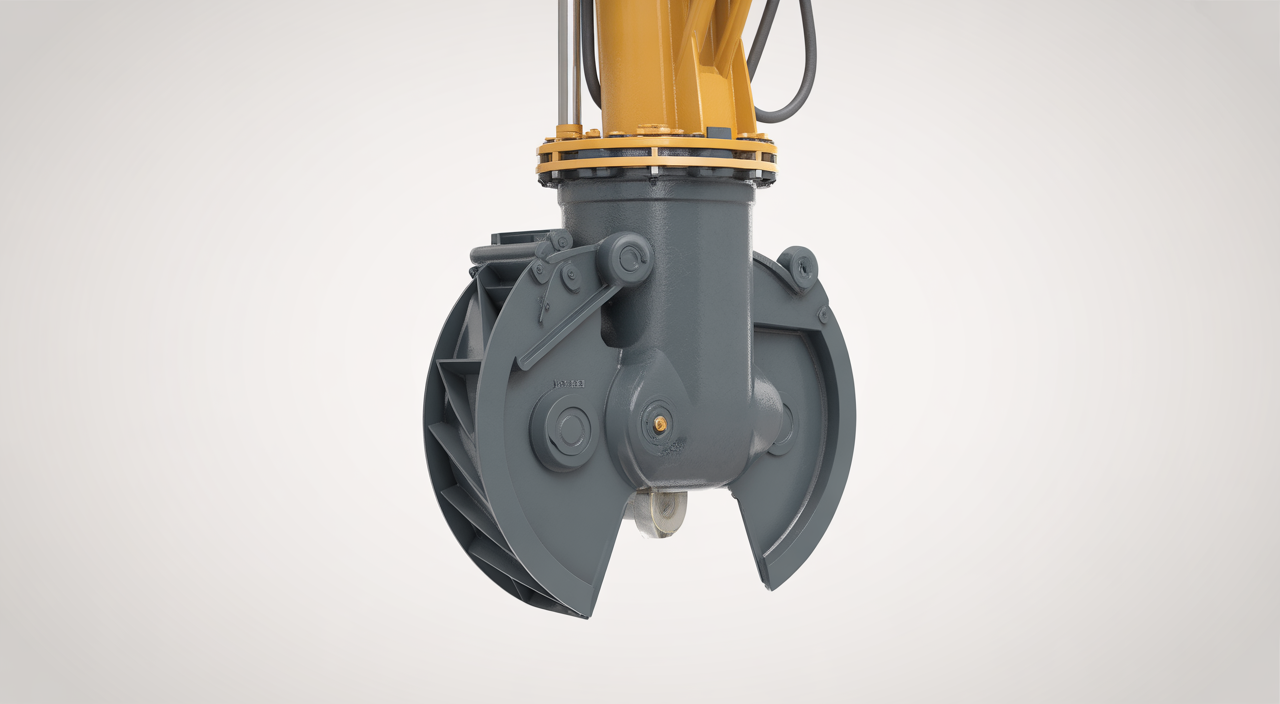
A typical lagoon dredge has a cutterhead or suction head at the front. This loosens compacted sludge and mixes it with water to form a pumpable slurry. A powerful hydraulic pump then pushes this slurry through a discharge pipeline.
The pipeline may run to a geo-textile bag area, a mechanical dewatering unit, or another holding cell. From there, sludge can be dried and sent for land application, composting, or disposal as per local rules.
3. Key Components You Should Know
When you compare lagoon dredging equipment, focus on these parts:
- Pump: The heart of the system, sized to handle high-solids slurry without frequent clogging.
- Cutterhead or suction head: Breaks up compacted lagoon sludge and feeds it into the pump intake.
- Float and winch system: Allows the machine to move smoothly across the lagoon and hold steady in each cut.
- Hoses and pipeline: Designed for abrasive, solids-laden slurry and the required discharge distance.
Each of these affects performance, wear life, and maintenance costs, so it is worth asking vendors for clear technical details.
4. Top Benefits of Lagoon Dredging
A well-planned wastewater treatment dredging project can deliver several positive results:
- Restored capacity: Deeper lagoons hold more volume, which supports growing populations or higher industrial loads.
- Better hydraulics: Proper depth improves detention time and mixing, helping biological processes work efficiently.
- Odour control: Removing old, anaerobic sludge can reduce odours and complaints from nearby communities.
- Regulatory comfort: Clean, well-maintained lagoons support compliance with discharge limits and inspection requirements.
5. Five Practical Steps to Plan Your Dredging Project
Instead of jumping straight to equipment, walk through these steps. They will help you get realistic pricing and avoid surprises.
- Gather basic data: Lagoon dimensions, current operating levels, inlet and outlet locations, and access roads.
- Survey sludge depth: Use a sludge judge or sonar survey to map thickness and estimate total volume to be removed.
- Test sludge samples: Lab tests for solids content, grit, and contaminants guide dewatering choices and disposal routes.
- Review permits: Check national, state, and local rules on dredging, discharge, and final sludge use or disposal.
- Set performance goals: Decide target depth, desired capacity gain, and acceptable project duration.
Many operators like to keep a printed checklist handy. For deeper background, you can also read this guide on what a wastewater dredge is and how to choose one.
6. Choosing the Right Wastewater Dredge: Key Criteria
Once you know your sludge volume and site conditions, use these criteria to shortlist equipment options:
- Pump capacity: Measured in cubic meters per hour, this sets your production rate. Higher flow usually means faster completion but a larger power package.
- Solids handling: Check maximum solids size and typical solids percentage in slurry. This matters if your lagoon has grit, rags, or fibrous material.
- Dredging depth: Confirm the maximum working depth relative to your lagoon design and future expansion plans.
- Mobility and footprint: Compact dredges are easier to launch in tight sites and can be more cost-effective for smaller ponds.
- Power and fuel use: Compare diesel vs electric options where power is available, and look at litres per hour or kWh per ton of solids removed.
A good vendor will match these points to specific models and provide a simple performance estimate in cubic meters of sludge removed per shift.
7. Cost and ROI: How to Think About the Numbers
Project costs usually fall into two buckets: capital expense and operating expense. Capital includes buying or renting the dredge, hoses, and dewatering units. Operating covers fuel or electricity, labour, maintenance, polymer for dewatering, and transport or disposal of dried solids.
To judge return on investment, compare the full cost of the dredging project with the benefits you gain. These benefits may include delaying construction of a new lagoon cell, avoiding non-compliance penalties, cutting odour treatment expenses, or supporting higher plant throughput. Often, the payback period is just a few years when these savings are counted.
8. Rental vs Purchase: Which Option Suits You?
If you have many lagoons or expect recurring sludge removal, buying your own dredge may make sense. Ownership offers control over timing and long-term cost per cubic meter removed. You can also spread the investment over many projects.
For a one-time or infrequent job, rental or turnkey environmental dredging services are attractive. You pay only for the duration of use and do not worry about storage or long-term maintenance. To decide, estimate how many cubic meters you will dredge over the next 5 to 10 years and compare cost per cubic meter under both options.
9. Practical Maintenance Tips for Long Service Life
A wastewater dredge works in a tough environment, but simple routines keep it reliable:
- Flush the pump and pipeline with clear water after each shift where possible.
- Inspect wear parts like impellers, liners, and cutter teeth on a fixed schedule.
- Track pump discharge pressure and flow; sudden changes can signal blockage or wear.
- Train operators on safe startup and shutdown to protect seals and bearings.
Planned maintenance is far cheaper than emergency repairs during a critical lagoon campaign.
10. Frequently Asked Questions About Wastewater Dredges
Q1. How deep can a typical lagoon dredge work?
Many compact dredges can operate comfortably in the 3 to 6 meter range. Larger systems can reach deeper, but your actual working depth also depends on liner protection, side slopes, and safety margins set by your engineer.
Q2. What solids size and concentration can the pump handle?
Most hydraulic dredging pumps used in wastewater lagoon maintenance are designed for fine to medium solids. They may handle small stones or grit, but extremely large debris should be removed beforehand. Slurry solids content often runs between 5 and 15 percent by weight, depending on the mix of water to sludge.
Q3. Do I always need a separate dewatering system?
In many projects, yes. A dedicated sludge dewatering system, such as geo-textile tubes or mechanical presses, reduces transport and disposal costs by removing water. In some cases, where regulations allow, partially thickened slurry can be transferred to another cell for natural drying.
Q4. How long does a lagoon dredging project usually take?
Duration depends on sludge volume, pump size, operating hours per day, and weather. Small ponds may be completed in a few weeks, while large multi-cell systems can take several months with a single dredge.
11. Taking Your Next Step
When you understand your lagoon conditions and what to look for in equipment, choosing a wastewater dredge becomes a confident decision. Collect your data, discuss clear performance targets with suppliers, and compare cost per cubic meter rather than just headline prices. That approach leads to better outcomes, smoother operations, and long-lasting value from your lagoon assets.


